FILM & ENTERTAINMENT
Why The Hunger Games is still winning
With Sunrise on the Reaping in cinemas next week: a fan's eyes, a marketing lens, and why Panem outlived the rest of its era.
With The Hunger Games: Sunrise on the Reaping premiering next week, I've found myself thinking a lot about why this franchise hasn't lost a fraction of its cultural pull, more than a decade later.
It's one of those series I built an attachment to as a child. Now, I'm able to read and watch it much more critically, but my excitement for a new release hasn't really wavered. And from looking at my feed and speaking with friends, it's clear mine isn't a unique experience.
Which got me wondering: why?
The Hunger Games arrived right in the midst of the late 2000s YA dystopian craze. Yet unlike some of its cousins, Divergent or The Maze Runner to name a few, it didn't fade away when the trend died down. Instead, it has come to be widely considered a modern classic. It transcended its genre and now permeates everyday culture. Every May, the internet compares the Met Gala to the Capitol. "I volunteer as tribute" is a universally understood meme, and we even have Mr Beast and Prime Video investing hundreds of millions into a reality show that mimics the exact premise of the arena.
Looking at it through both a fan's eyes and a marketing lens, these are my proposed reasons as to why The Hunger Games has emerged victorious while the rest of its era was left behind.
1. Our feeds caught up to the plot
On paper, The Hunger Games used many of the same ingredients as its YA dystopia peers: a love triangle, a reluctant hero, a divided society. Yet instead of playing these tropes for an escapist romance, author Suzanne Collins used them as a vehicle for a much broader cultural and societal critique.
Looking back, in many ways, Katniss was pretty much the original influencer. In the main trilogy, her survival in the arena didn't depend on superpowers, but on personal branding. Her "Girl on Fire" styling, the "star-crossed lovers" narrative manufactured with Peeta, the talk-show-esque interviews with Caesar Flickerman: every move was a PR play designed to win over Capitol sponsors and the public's approval.
"Sweetheart, you have to make people like you."
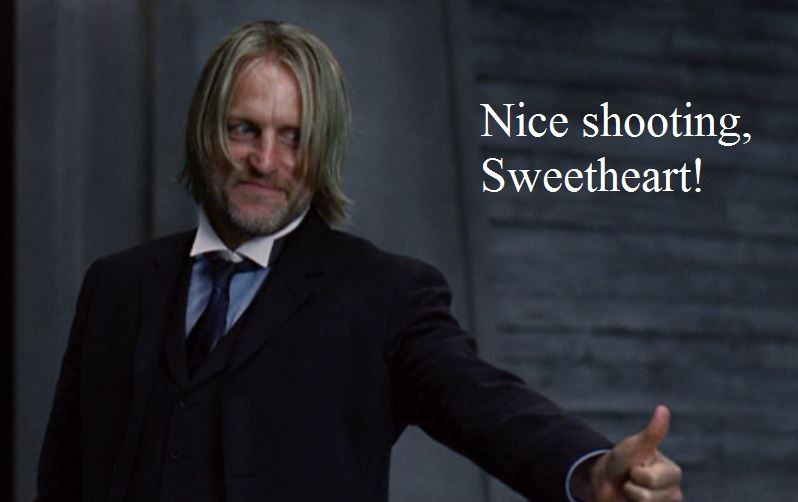
As such, when the first film came out in 2012, people watched it as a reality TV satire, with higher stakes. In 2026, the era of ragebait, parasocial obsession and 24h livestreams? Panem looks and feels eerily similar to our feeds.
2. The entertainment starts in the lead-up
Social media is now naturally a big part of any modern film rollout, but I've always found Lionsgate to be incredibly creative when promoting The Hunger Games. Some examples for Sunrise on the Reaping:
- The cast reveals: instead of a standard press release, each character was announced through a dedicated teaser video (on socials!), zooming in on a page from the book as it caught fire to reveal the actor underneath. Quirky, fun, incredibly sharable.
- Listening to the fandom: it's clear that producers actively paid attention to fan-casting conversations online. Elle Fanning, who plays a young Effie Trinket in the new film, has openly credited fans' vocal campaigning as a major reason she landed the role.
- Co-creating with fans: Lionsgate handed never-before-seen footage of the movie directly to a viral TikTok editor to cut an official fan-edit trailer. Instead of awkwardly trying to "relate to Gen-Z", they actively passed on the assignment.
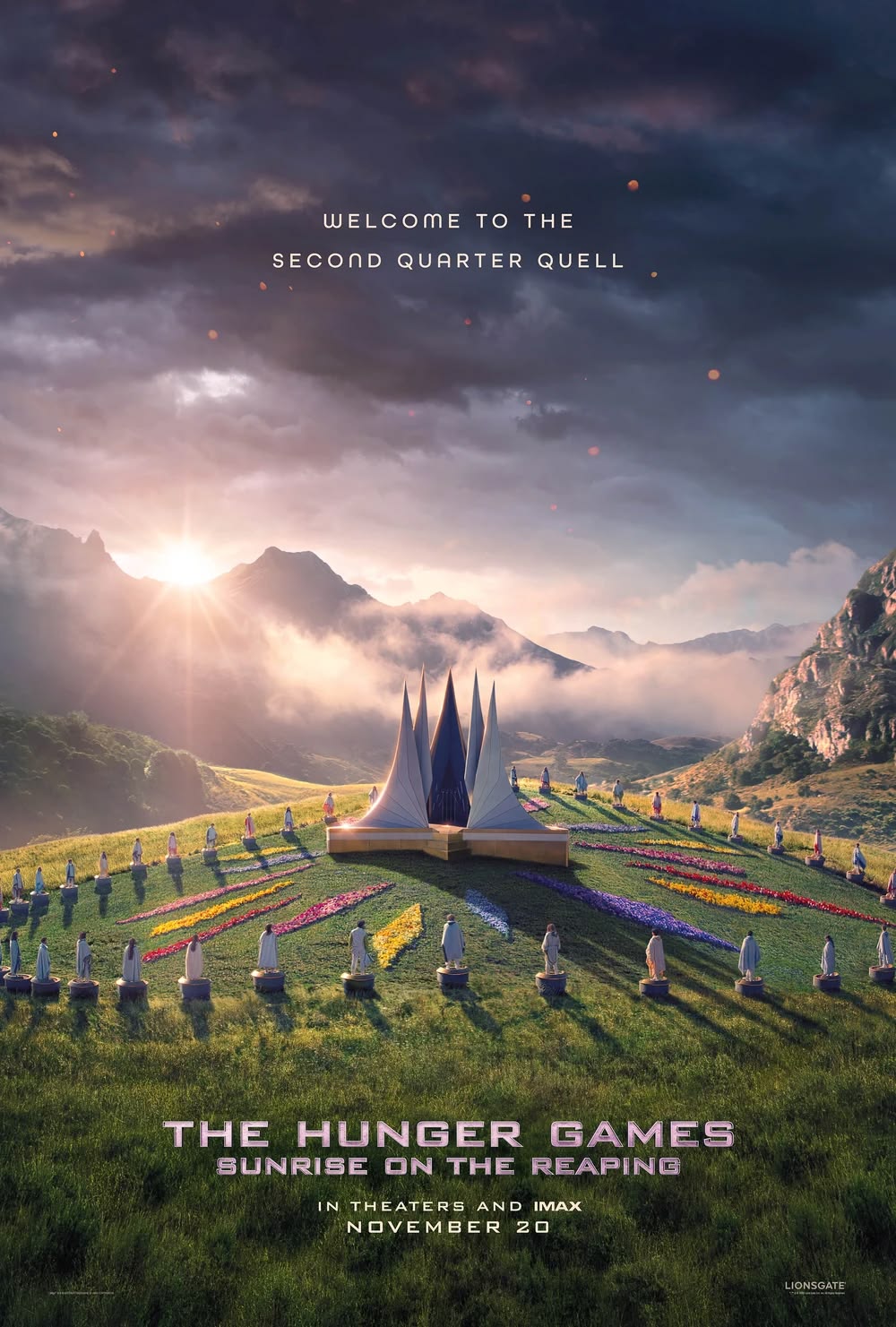
With every release, Lionsgate has managed to inject a sense of play and whimsy into the build-up, a moment to tune into months before opening weekend.
3. The book always comes first
After the massive box-office success of the original trilogy, I imagine Suzanne Collins and Lionsgate were incredibly tempted, if not pressured, to milk the IP with spin-offs and side TV shows. Instead, Collins waited more than a decade before returning to Panem, letting the material breathe. Now, both prequels add sought-after context to the world while echoing the original series' themes of power and propaganda:
- The Ballad of Songbirds and Snakes is the classic villain origin story, unpacking President Snow's past. How did he become a dictator? And how did the Hunger Games even start?
- Sunrise on the Reaping is the story of Haymitch's Games, the first District 12 victor. How did he pull it off? What caused him to be so broken by the time Katniss meets him, 25 years later?
What I'm taking away
Having started as a kid who wanted to braid my hair like Katniss and take up archery, and now watching the film industry more critically, these are my takeaways from the Sunrise on the Reaping rollout:
- Trends expire. If your story is rooted in the trend of the moment, it will die when the trend moves on. The Hunger Games survived because beyond the spectacle, it's rooted in themes of power, media, and human psychology.
- Invite your audience into your world early. Play into what the fans want and are saying, make them active participants, meet them where they already spend their time.
- Scarcity. In an era of content saturation, holding back is often a competitive advantage.
- Respect your audience's intelligence. If your script is written to be understood while it plays in the background as the viewer scrolls, that's where it will stay. In the background. Audiences want worlds with real weight and complexity.
Well, needless to say I'm very curious to see the film and whether it lives up to the buzz. May the odds be ever in its favour.